Research program.
Six cases with their results, the students who carried them and the Sustainable Development Goals they contribute to, followed by the patents and the eight lines of research.
The roots: evolutionary engineering.
During my doctorate with Katy C. Kao at Texas A&M University I worked on evolutionary engineering, which uses evolution in the laboratory to obtain microorganisms with new traits. In Escherichia coli we found 14 genes whose modification raises tolerance to n-butanol by up to 49 %. In yeast, evolution produced mutants that grew up to 57 % faster in biomass hydrolysates. With hydrogen peroxide as a selective pressure, we tripled the carotenoid production of an engineered yeast, to 18 mg per gram of dry biomass, in what is still my most cited article.
In 2014, at the National Renewable Energy Laboratory (NREL) in the United States, we engineered Clostridium thermocellum, a bacterium that breaks down cellulose, to also consume xylose, the sugar of hemicellulose. With both sugars it produced twice as much hydrogen and ethanol as with cellulose alone. In 2020, already at Uniandes, Albert E. Tafur Rangel and I identified the enzyme that limited its growth on xylose. In 2024, with adaptive evolution and an added enzyme, we obtained the first strain described that assimilates hemicellulose without losing its ability to break down cellulose. That strain is the subject of a United States patent application on which I am a co-inventor.
At Uniandes, this foundation became the line of reverse engineering of microorganisms, which studies how evolution solves the problems of a microbial factory.
My role
The experiments and papers of my PhD and postdoc, and at NREL, the work on xylose. I am a co-inventor on the patent application for the strain that assimilates hemicellulose.
From Texas A&M to the patent application
Contributes to the United Nations Sustainable Development Goals (SDG):
- 7, Affordable and clean energy
- 9, Industry, innovation and infrastructure
- 12, Responsible consumption and production
- 13, Climate action
Therapies for lysosomal diseases.
Tay-Sachs, Sandhoff and Morquio A syndrome are inherited lysosomal diseases. The first two have no approved treatment, and the enzyme therapy for Morquio A barely reaches bone. With Carlos Javier Alméciga and Angela Espejo, of the Institute for the Study of Inborn Errors of Metabolism at Pontificia Universidad Javeriana, and with Juan Carlos Cruz, of Biomedical Engineering, we asked whether CRISPR/nCas9, carried by a vehicle without viruses, could give patients’ cells their enzyme back. I led the project for Uniandes (2019-2022).
Carlos Manuel Ramírez Acosta, my master’s student, and Carlos Emilio Torres Garay, whom I co-advised, developed the vehicle in their theses: magnetoliposomes with magnetite and silver nanoparticles. In fibroblasts from four patients with Morquio A, editing restored between 5 and 88 % of the enzyme’s normal activity, and cells with mutations of the severe forms responded best. The magnetoliposomes performed as well as commercial lipofectamine. In Tay-Sachs and Sandhoff, activity with lipofectamine passed the 10 % threshold considered sufficient, and with magnetoliposomes it stayed near 2 %. Andrés Felipe Leal, the doctoral student I co-advised, is first author of both articles.
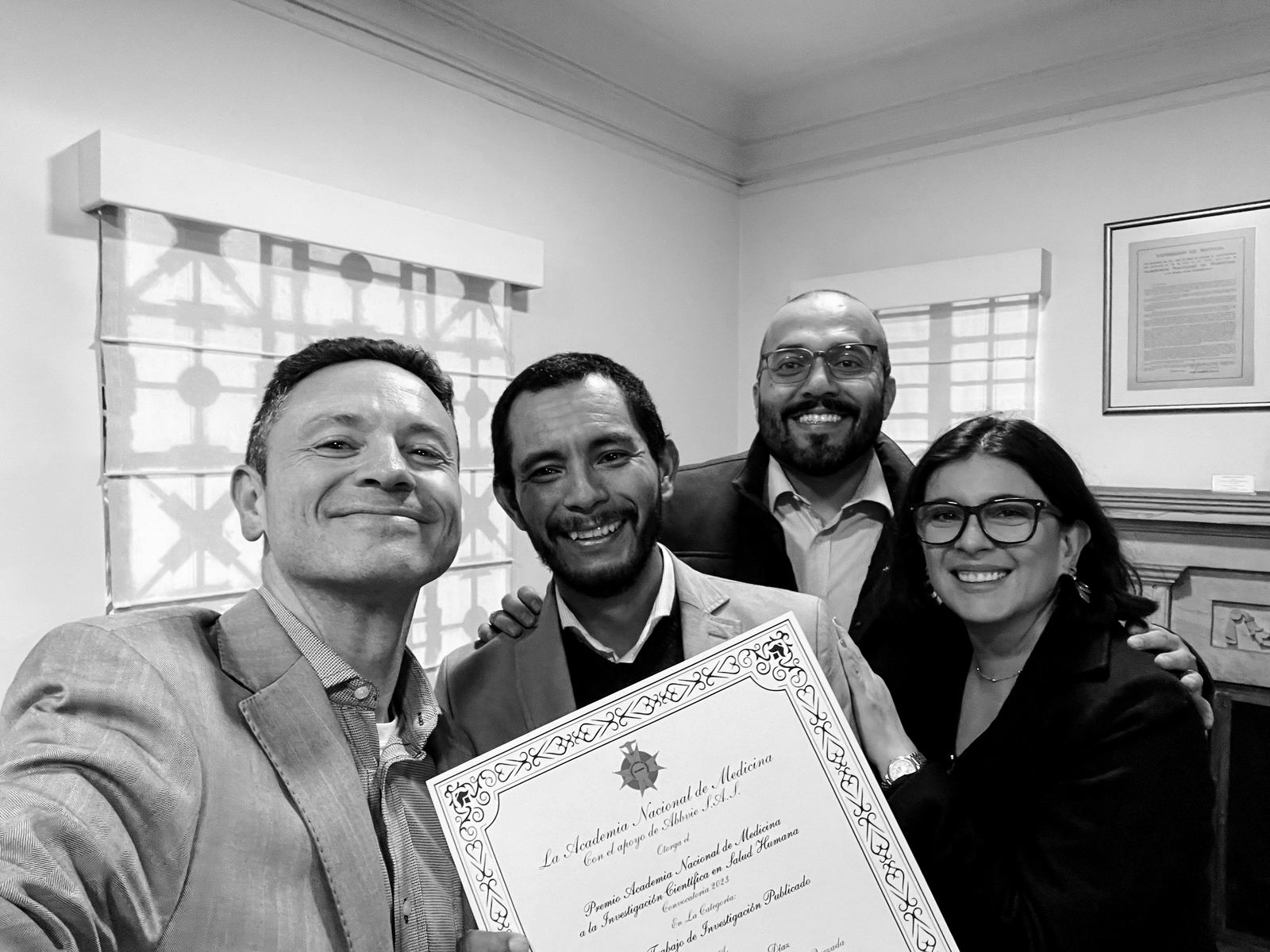
In 2023 the work received the award for the best scientific research in human health of the National Academy of Medicine of Colombia and the honorable mention in sciences of Fundación Alejandro Ángel Escobar. The same network gave rise to Dogma Biotech, a company founded by Carlos Javier Alméciga and colleagues at the Institute.
My role
Principal investigator for Uniandes, in charge of the molecular biology: the CRISPR/nCas9 targets and the immobilization of DNA on the nanoparticles.
Students
 Andrés Felipe LealDoctorate, co-advised
 Carlos Manuel Ramírez AcostaMaster’s
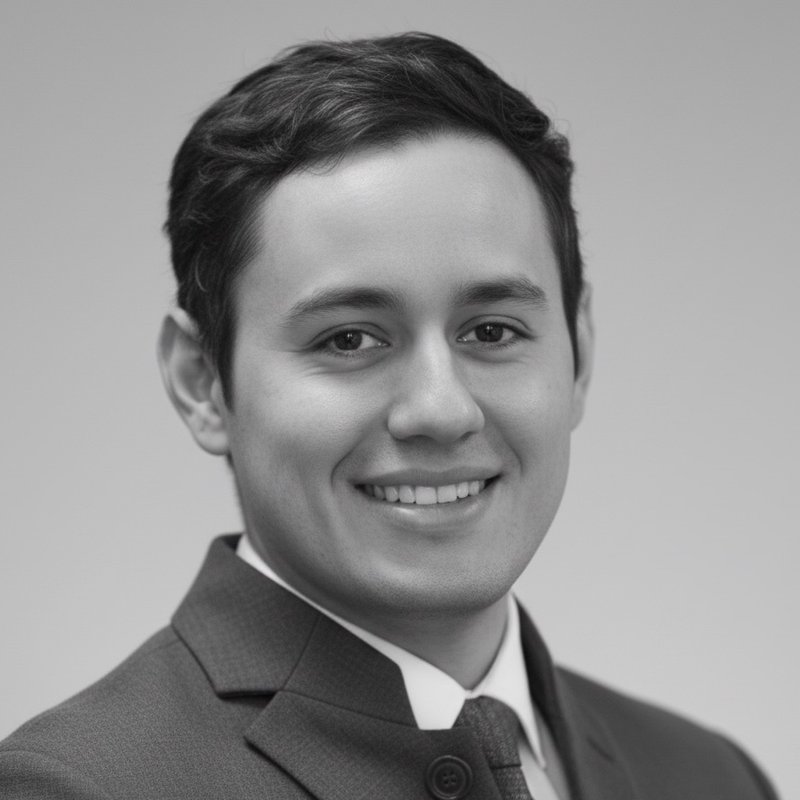 Carlos Emilio Torres GarayMaster’s, co-advised
Where it was published
Contributes to the United Nations Sustainable Development Goals (SDG):
- 3, Good health and well-being
- 9, Industry, innovation and infrastructure
Nanoparticles for drug delivery.
A drug, a gene or a protein is of little use if it does not get inside the cell. It has to cross the membrane and then leave the endosome, the compartment where the cell breaks down almost everything it takes in. With Juan Carlos Cruz, of Biomedical Engineering, we design nanoparticles for that journey: cores of magnetite or sheets of carbon, coated with peptides that cross membranes, such as buforin II. Carlos Manuel Ramírez Acosta, my master’s student, made one of the first: a magnetite core with a silver shell and a polymer that releases DNA when the pH drops inside the cell. The magnetoliposomes of the therapies for lysosomal diseases grew out of it.
Julian Daniel Torres Vanegas, whom I advised in his doctorate, studied what happens when the support and the peptide are changed. With graphene oxide and buforin II, the particles covered close to 100 % of the cells in less than 30 minutes; without the peptide, between 40 and 70 %. In Vero cells, between 30 and 45 % escaped from the endosome. His review of the barriers these vehicles face is the most cited of those I have published from Uniandes. Laura Tatiana Salgado, whom I co-advised in her master’s, tested where in the peptide to place the motif that opens the way through the membrane. With the motif at the free end, the particles entered more and escaped the endosome better than those of the other two designs and those carrying known peptides such as buforin II.
We then took these vehicles to specific diseases. Erika Alejandra Díaz Ramírez, whom I co-advised in her master’s, loaded magnetite nanoparticles with temozolomide and paclitaxel, two cancer drugs. They were more toxic to melanoma cells than to skin keratinocytes, and outperformed the free drugs used at concentrations four times higher. David Arango, whom I also co-advised, built in his master’s a magnetite platform to carry gene editing tools to neurodegenerative diseases. In the Parkinson’s disease project led by Natasha Bloch, where I was a co-investigator, magnetite nanoparticles with buforin II raised the expression of the neuroprotective gene gdnf up to 214-fold in a cell model of the disease, against 41-fold with lipofectamine.
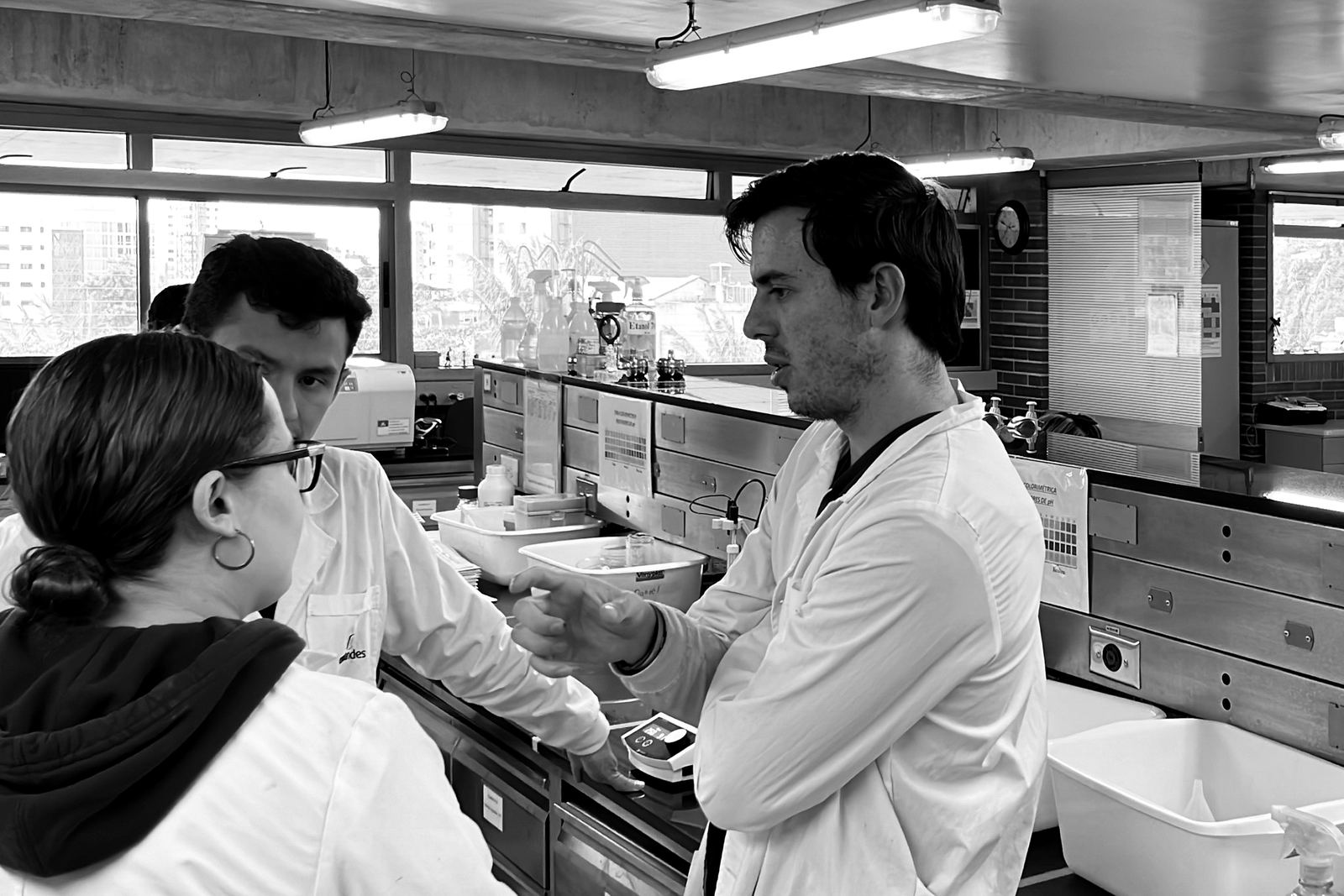
Cristian F. Rodríguez, whom I co-advised in his master’s and who is now an instructor professor at Uniandes, put magnetic nanoparticles inside spheroids of cells. With an external magnetic field, two spheroids fused in about 2 days instead of about 7, which speeds up the fabrication of tissues in the laboratory. He also wrote our review of magnetoliposomes (2025). In 2024 Juan Carlos Cruz and I were guest editors of a collection of Nanoscale Advances, of the Royal Society of Chemistry, on nanoplatforms that respond to stimuli, and in 2025 I co-edited with him and Yashwant V. Pathak the book Nanocarriers for Nucleic Acids and Proteins (CRC Press).
My role
Peptide design, molecular biology and process scale-up. Juan Carlos Cruz brings the materials.
Students
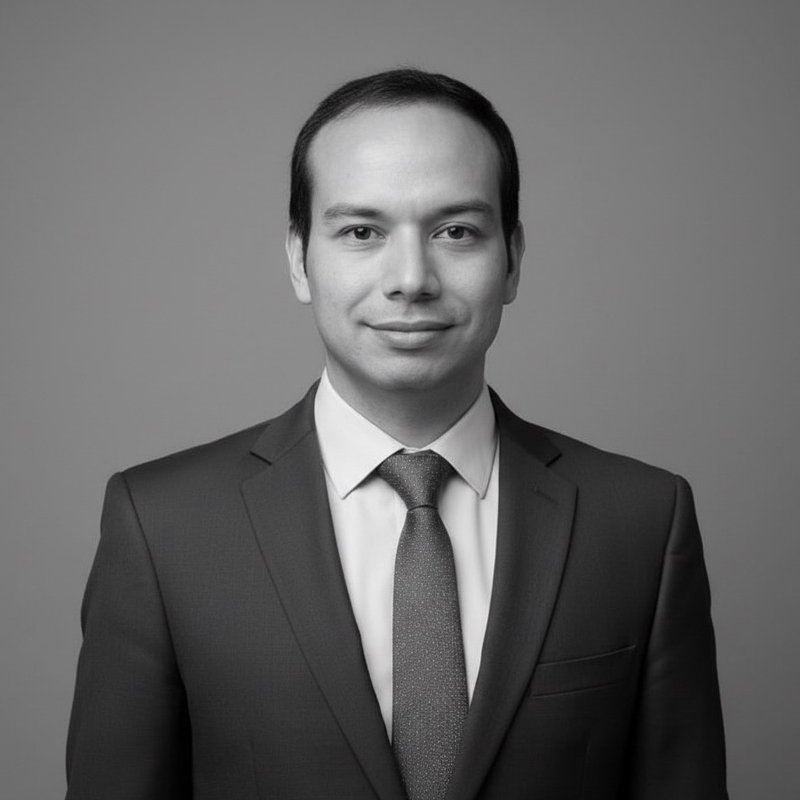 Julian Daniel Torres VanegasDoctorate
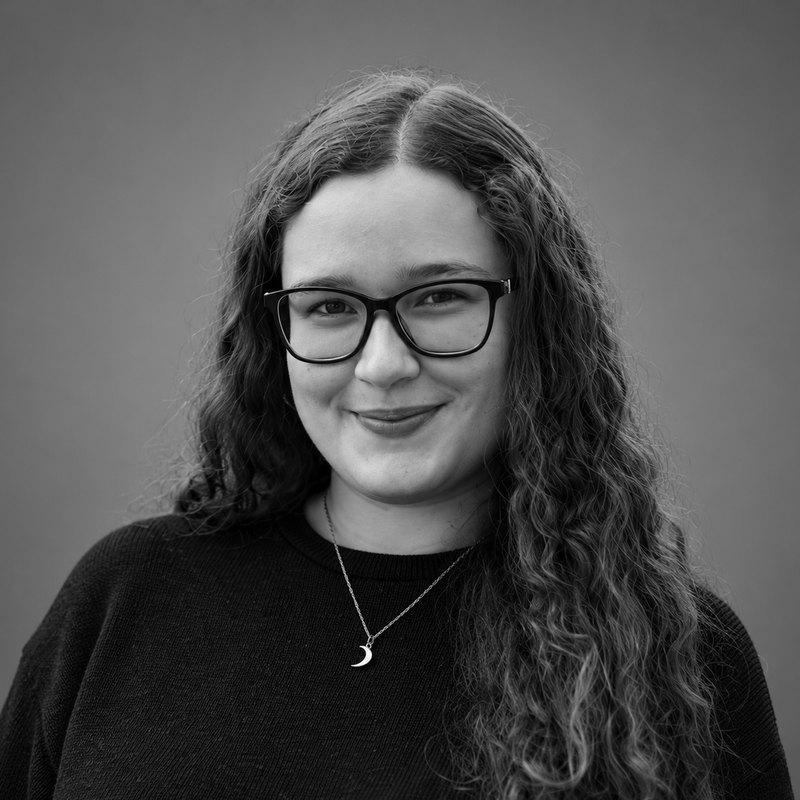 Erika Alejandra Díaz RamírezMaster’s, co-advised
 David ArangoMaster’s, co-advised
 Laura Tatiana SalgadoMaster’s, co-advised
 Cristian F. RodríguezMaster’s, co-advised
Where it was published
- 2020Pharmaceutics
- 2021Pharmaceutics
- 2022Frontiers in Chemistry
- 2023Nanomaterials
- 2024Nanoscale Advances (editorial)
- 2024Frontiers in Bioengineering and Biotechnology (Parkinson)
- 2024ACS Omega
- 2024Frontiers in Bioengineering and Biotechnology (LG11)
- 2025Expert Opinion on Drug Delivery
- 2025Scientific Reports
- 2025Nanocarriers for Nucleic Acids and Proteins, CRC Press
Contributes to the United Nations Sustainable Development Goals (SDG):
- 3, Good health and well-being
- 9, Industry, innovation and infrastructure
Peptides against antimicrobial resistance.
Antimicrobial resistance caused at least 1.27 million deaths worldwide in 2019 (Murray et al., The Lancet, 2022). In 2020, with Juan Carlos Cruz, we proposed a method that combines artificial intelligence, molecular dynamics, display of peptides on the surface of microorganisms and microfluidics to find antimicrobial peptides.
Paola Ruiz Puentes, whom I co-advised in her master’s, built the neural network AMPs-Net with Pablo Arbeláez. The network and a set of physicochemical filters narrowed 423,697 sequences from the Escherichia coli genome down to 252 candidates. The peptide FE23 had minimum inhibitory concentrations of 7.8 µM against E. coli and 15.6 µM against Staphylococcus aureus, although it loses activity in sodium chloride. The same network found RD10, the peptide of a manuscript now under review whose co-first author is Cristian F. Rodríguez, whom I co-advised in his master’s.
María Camila Henao, whom I advised in her master’s, found the peptide AHB-1 in the S glycoprotein of SARS-CoV-2. Bound to chitosan nanoparticles, it covered 83.55 % of the cells’ cytosol, without appreciable hemolysis. We did that work with Juan Carlos Cruz and Juan Carlos Burgos, of Universidad de Cartagena. Saúl Camilo Gómez Tinoco and Valentina Quezada Pérez, whom I co-advised, built low-cost acrylic chips to screen peptides. About 65 % of the microparticles carrying buforin II entered giant vesicles, and almost none without the peptide.
With Fundación Santa Fe de Bogotá we set out to produce antimicrobial peptides in recombinant microorganisms. That production proved very difficult, because the peptides are small, hydrophobic and, being antimicrobial, attack the very cell that has to make them. But that work produced AMPs-Net, AHB-1 and two more articles with students, in Polymers (2021) and Pharmaceutics (2022). With Juan Carlos Cruz and Gregory R. Wiedman, of Seton Hall University, I edited Antimicrobial Peptides: A Roadmap for Accelerating Discovery and Development (Elsevier, 2024), where I wrote or co-wrote seven chapters and the introduction.
My role
The design and production of the peptides and the molecular simulation, and I was principal investigator of the two projects that funded them, with the Administrative Department of Science, Technology and Innovation (Colciencias) and with the Fundación Santa Fe de Bogotá. AMPs-Net comes from Pablo Arbeláez’s group.
Students
 María Camila HenaoMaster’s
- Cristian F. RodríguezMaster’s, co-advised
 Saúl Camilo Gómez TinocoMaster’s, co-advised
 Valentina Quezada PérezMaster’s, co-advised
 Paola Ruiz PuentesMaster’s, co-advised
Where it was published
Contributes to the United Nations Sustainable Development Goals (SDG):
- 3, Good health and well-being
- 9, Industry, innovation and infrastructure
Sensory design of food and drink.
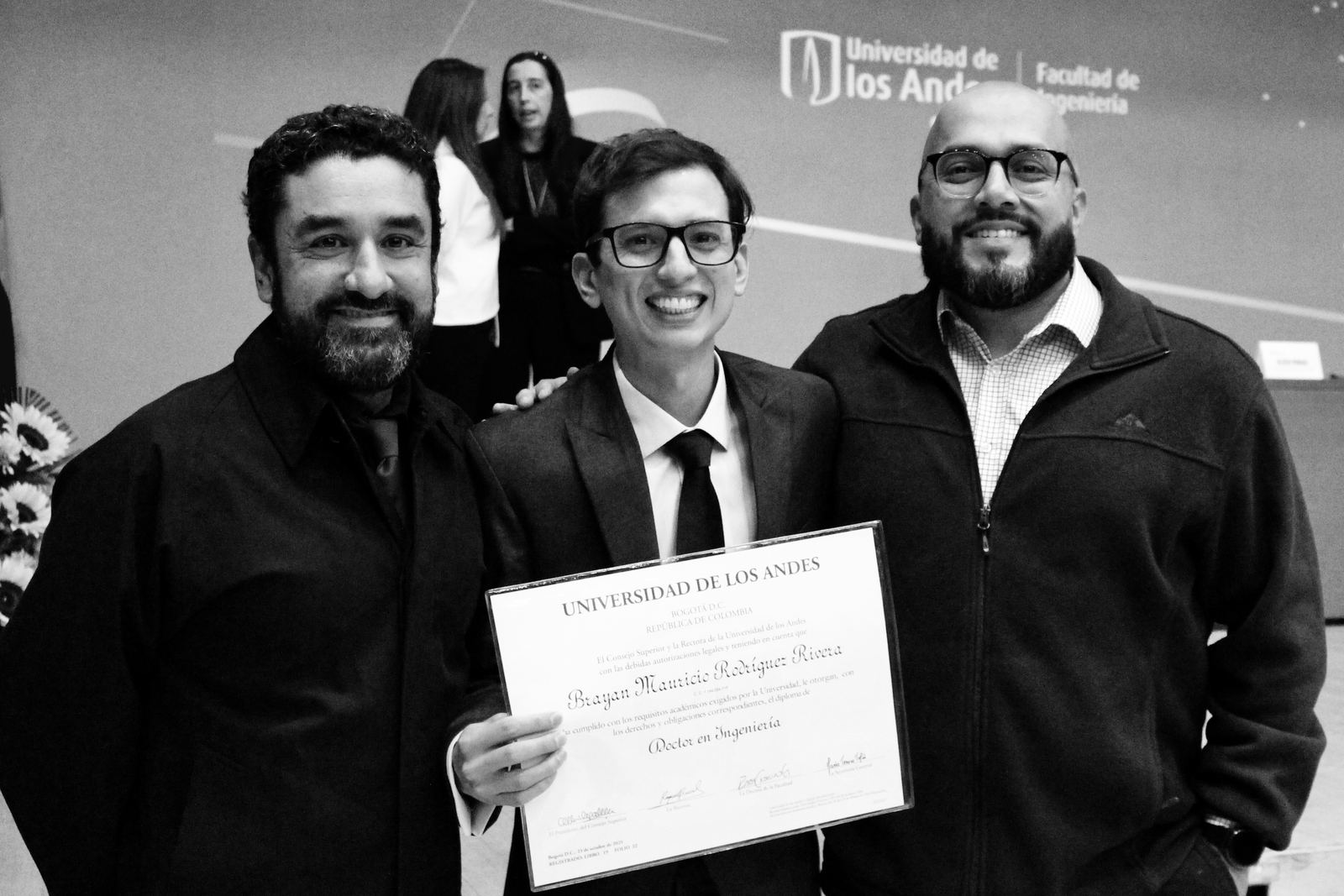
Many healthier or more sustainable foods lose out to conventional ones because of what consumers expect from them and because of their texture. We asked whether both can be designed. With Felipe Reinoso-Carvalho, of the School of Management, I advised the doctorate of Brayan Rodríguez, now a professor at Pontificia Universidad Javeriana. In experiments with 592 people, the sound of a beer poured from the bottle reduced negative emotions toward non-alcoholic beer and raised its expected freshness. In work with Felipe’s collaborators at Instituto Universitário de Lisboa (Iscte), sounds of nature strengthened the perceived environmental sustainability of a product, and sounds of groups of people its social sustainability, in two studies with 517 participants.
In the last chapter of his doctorate, Brayan trained a deep learning model, on music that people had already rated, to predict how sweet, bitter, salty, sour or spicy a piece of music sounds. With those predictions we built Sonic Seasoning, an app that assembles playlists for the flavor profile and the genre you choose. The article is under review; the app is public and anyone can use it.
We study texture with Martha Liliana Díaz-Bustamante, now my doctoral student, and with Óscar Alberto Álvarez Solano. Two costeño cheeses with half and a quarter of the salt, cooked at 55 °C, resembled the control in composition and texture. In a soy yogurt, replacing 25 % of the protein with yeast grown on whey raised firmness by 54 % and cut fermentation to seven or eight hours, against almost 17. How consumers receive it is still to be measured.
Yeast shapes much of the flavor and aroma of a beer, and Carlos Yesiel González Murcia looks for it in Colombian biodiversity. Since 2026 he has been doing a Doctorate in Engineering on native yeasts for brewing, advised by Nicolás Ríos Ratkovich, of my department, and co-advised by me.
My role
The chemosensory side and the machine learning model in Brayan Rodríguez’s PhD; biotechnology in Martha Liliana Díaz Bustamante’s; and biotechnology and beer design in Carlos Yesiel González Murcia’s.
Students
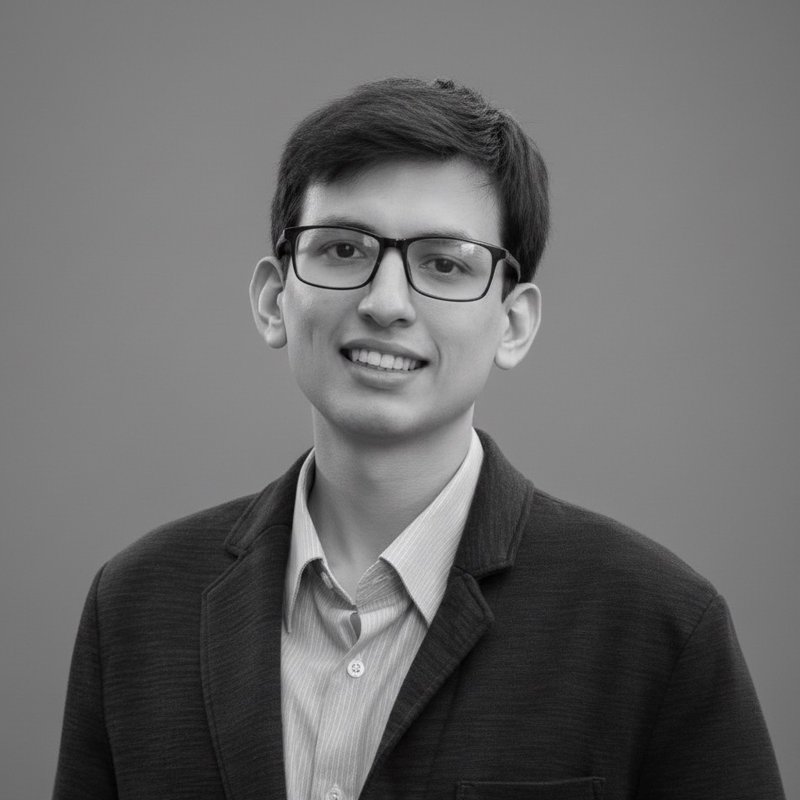 Brayan RodríguezDoctorate, with Felipe Reinoso-Carvalho
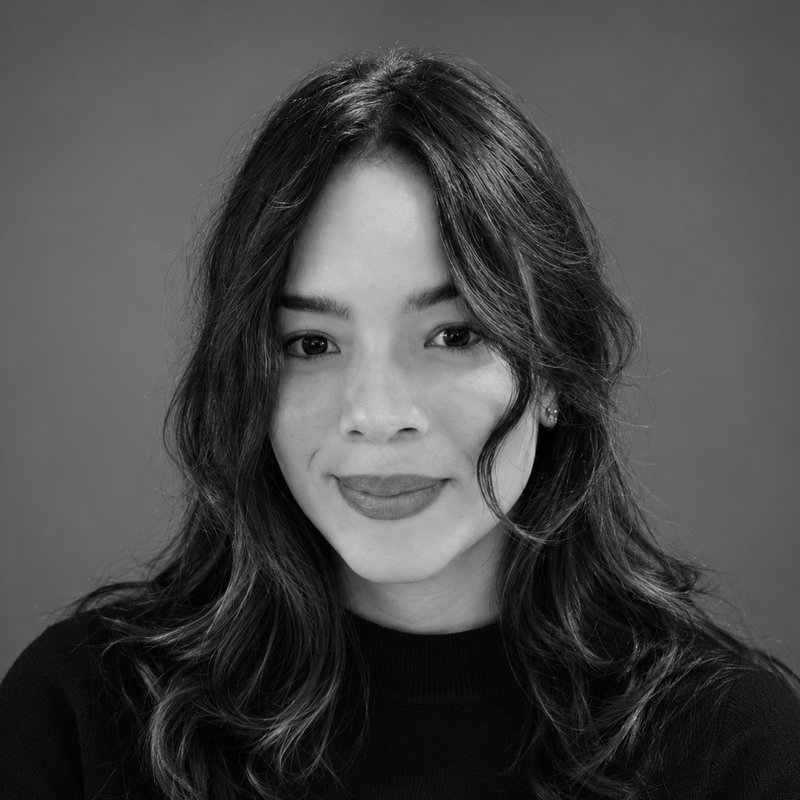 Martha Liliana Díaz-BustamanteDoctorate, in progress
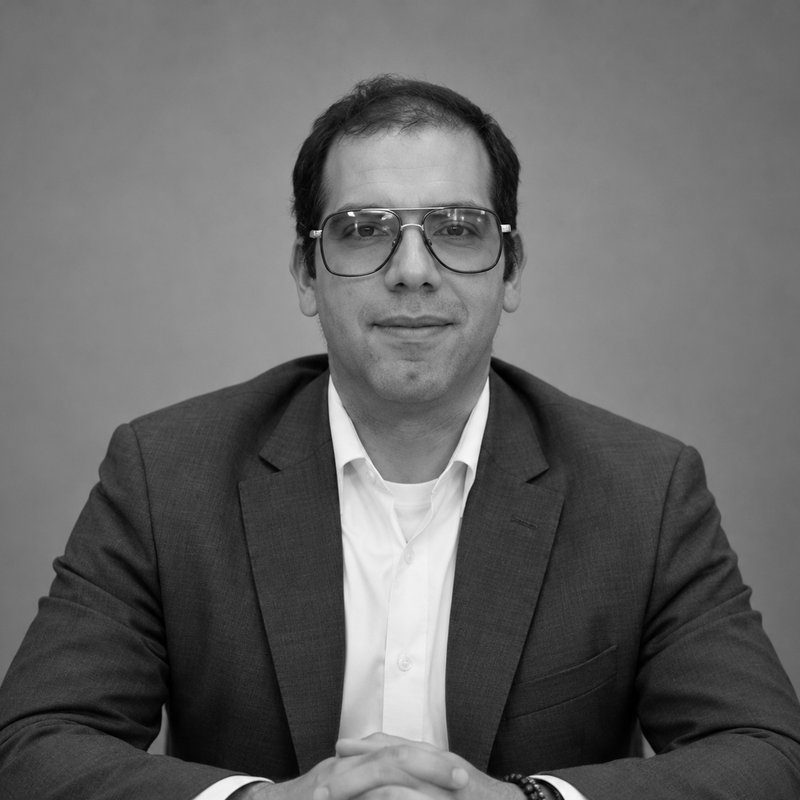 Carlos Yesiel González MurciaDoctorate, co-advised, in progress
Where it was published
Contributes to the United Nations Sustainable Development Goals (SDG):
- 2, Zero hunger
- 3, Good health and well-being
- 9, Industry, innovation and infrastructure
- 12, Responsible consumption and production
The air of El Colegio.
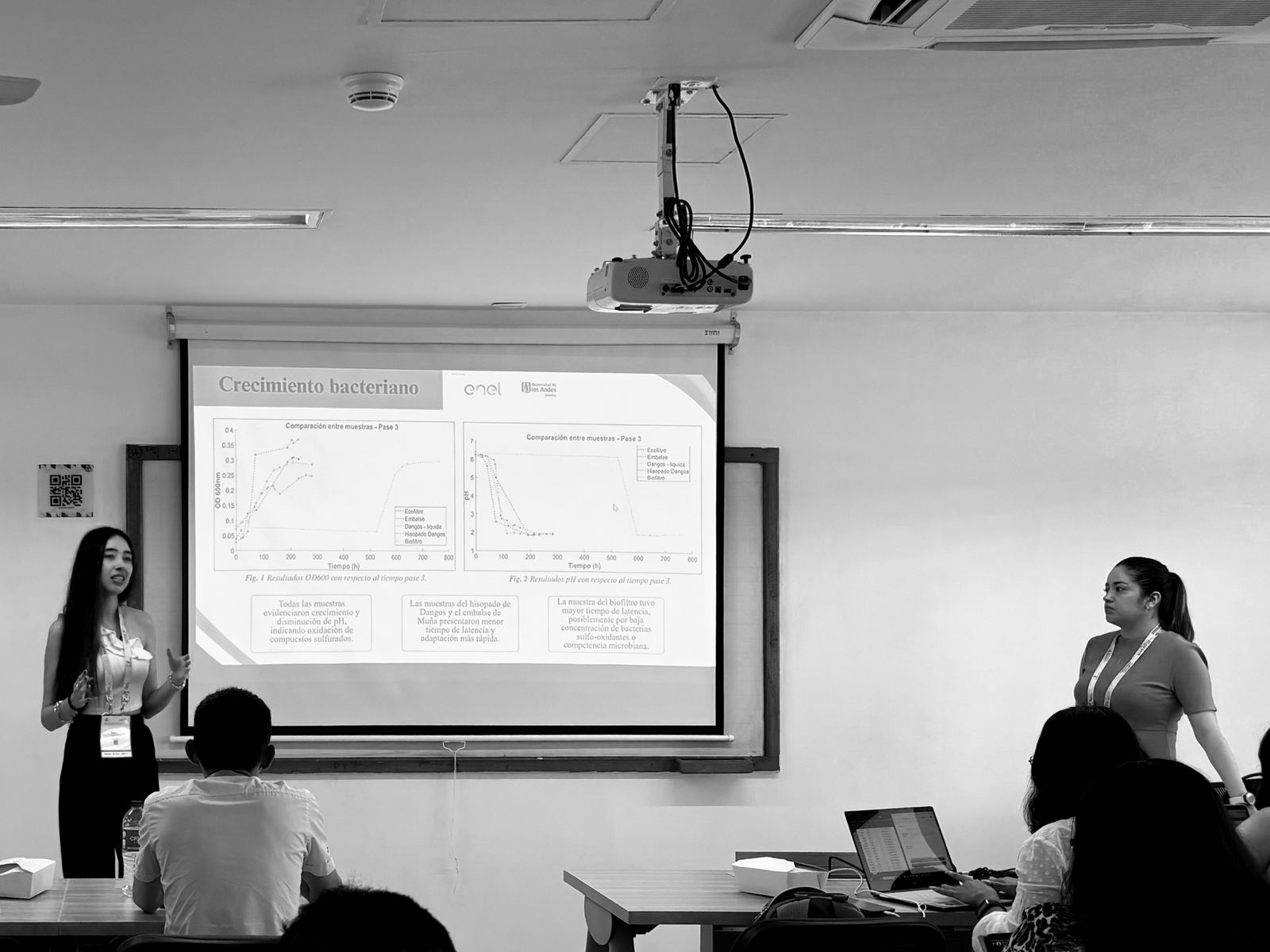
The El Paraíso Hydroelectric Power Plant, in El Colegio, Cundinamarca, generates power with water from the Bogotá River, poor in oxygen and rich in organic matter. As it slows down in the stilling tank, that water releases hydrogen sulfide (H₂S), a gas with an offensive odor for the neighbors. Since 2022 we have carried out seven projects with Enel around the plant: the formulation of an innovation proposal, the diagnosis and modeling of the ecofilter (2023-2024), the mitigation of environmental and social impacts (2024-2025) and a third phase, under way, with life cycle assessment, H₂S corrosion and outreach material (2025-2027).
With Juan Carlos Cruz, Jorge Mario Gómez, of my department, and María Francisca Villegas-Torres, of Biological Sciences, we grew consortia of bacteria specialized in oxidizing sulfur compounds in the laboratory and took them to the plant’s ecofilter. In the measurements we presented at the International Meeting on Engineering Education of the Colombian Association of Engineering Schools (ACOFI) in 2025, H₂S removal rose from 67.5 to 78 %. That is the figure for those days, because removal changes with the load of gas that arrives.
In his master’s, Jesús Rafael Acevedo Mastrogiacomo designed an automatic control so that the removal system works at its optimum, which we presented at the Colombian Congress of Chemical Engineering in 2025. Gabriela Meléndez Plata, Jesús Rafael and Martha Lizeth Castellanos Ordóñez, who is doing her doctorate with me and works at Enel today, signed as co-first authors a review of these gases (Processes, 2025). Mariana García Alba and Esteban Muñoz Cardona did their undergraduate project on the ecofilter, with Jorge Mario Gómez.
The project produced three outreach videos, which Enel Colombia published to tell residents what was done: how the plant generates power and why H₂S appears, what the regulation says and how the air is monitored, and how the technologies that control it work.
My role
Principal investigator of the Paraíso series since 2022, working on the biotrickling filter as a bioprocess and on the metagenomics, which María Francisca Villegas-Torres and I do together.
Students
 Gabriela Meléndez PlataMaster’s, 2026
 Jesús Rafael Acevedo MastrogiacomoMaster’s, co-advised, 2026
 Martha Lizeth Castellanos OrdóñezDoctorate, in progress
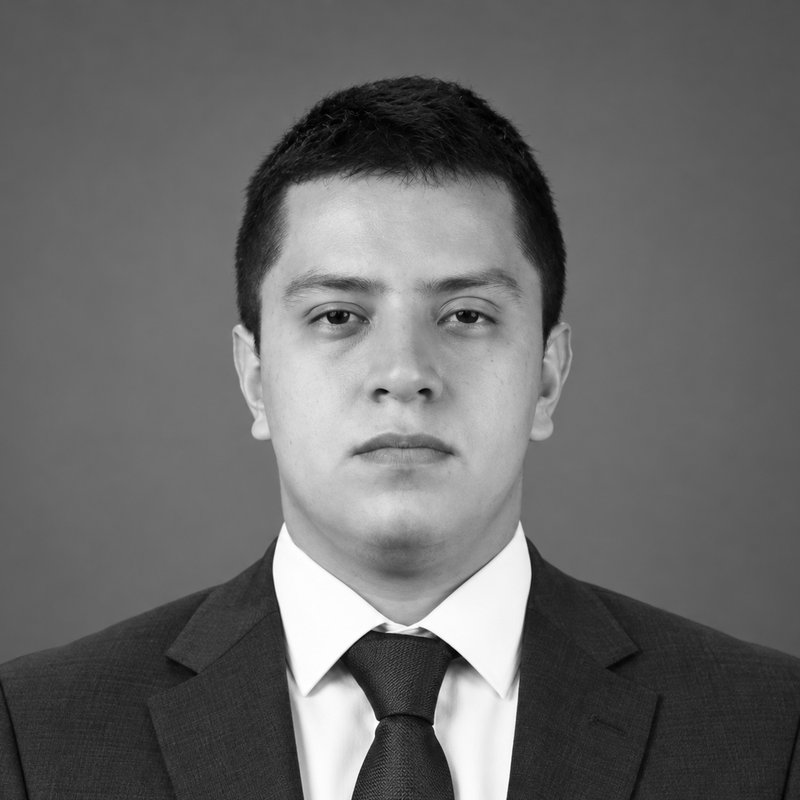 Andrés Felipe Infante BravoMaster’s, in progress
Where it was published
Contributes to the United Nations Sustainable Development Goals (SDG):
- 3, Good health and well-being
- 6, Clean water and sanitation
- 11, Sustainable cities and communities
Patents.
- 2023
Modular bioreactor with interchangeable parts
Invention patent granted by the Superintendence of Industry and Commerce of Colombia (SIC), Resolution 30049 of 31 May 2023. Held by Universidad de los Andes and Universidad Antonio Nariño.
A single unit operates as a stirred tank, packed bed, bubble column or air-lift. The eight inventors include Juan Carlos Cruz, me and two students I advised, Jorge Luis Patarroyo and Juan Sebastián Flórez Rojas.
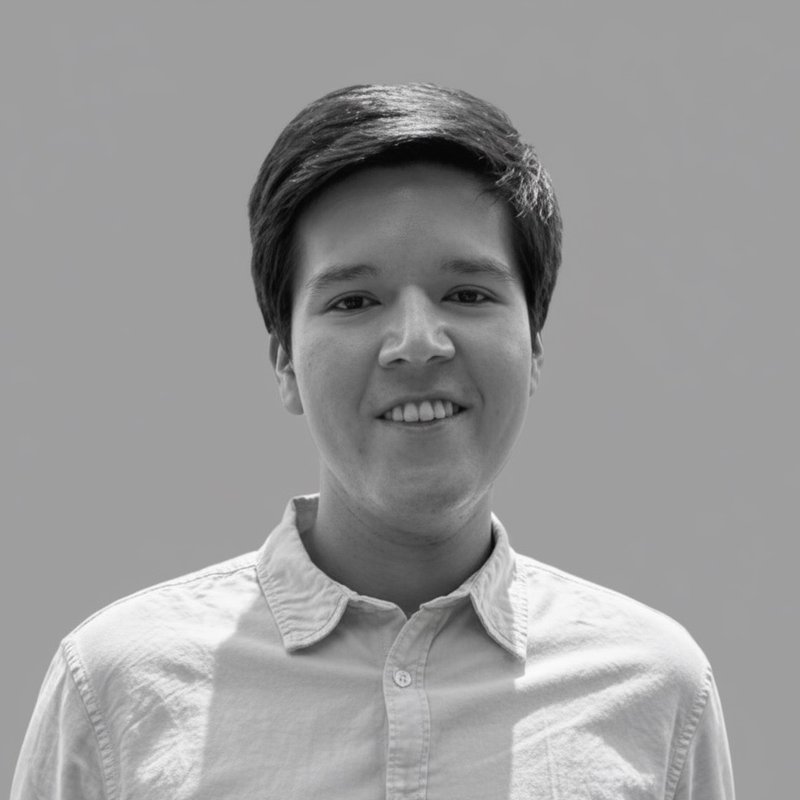
Jorge Luis Patarroyo - 2025
Clostridium thermocellum engineered to use hemicellulose and cellulose together
Patent application published in the United States, US 2025/0257369 A1, 14 August 2025. Held by Alliance for Sustainable Energy, LLC, which operates NREL.
It came out of my postdoctoral work at NREL, in 2014, which I kept leading from Uniandes. It is the strain of the first case on this page.
Open the record
Eight lines of research.
A publication can belong to several lines. The figure next to each line counts its publications, without talks or patents; the link opens the full list with that line selected.
Smart Biomaterials & Nanobiotechnology
We engineer intelligent materials at the nanoscale for biomedical breakthroughs. Our work includes creating 'smart' hydrogels that respond to bodily cues, designing nanocarriers for precision drug and gene delivery, and developing advanced biomaterials that promote tissue regeneration and repair.
46publications in this lineMolecular & Synthetic Biology
At the core of our research, we engineer the genetic code of life. By designing and assembling novel DNA circuits and metabolic pathways, we reprogram microorganisms to perform new functions and produce high-value compounds for medicine, industry, and sustainability.
40publications in this lineBioprocess Engineering
We design, optimize, and scale-up biological processes that use microorganisms or cells as microscopic factories. Our work spans from lab-scale reactor design to industrial biomanufacturing, ensuring efficient and sustainable production of valuable bioproducts.
34publications in this lineSustainability & Circular Economy
Our research is committed to a sustainable future by developing biotechnologies for a circular economy. We focus on transforming industrial and agricultural waste into high-value products, engineering microbes for next-generation biofuel production, and designing integrated bioprocesses that minimize environmental impact and maximize resource efficiency.
31publications in this lineComputational Biology & AI-Driven Design
We harness the power of artificial intelligence and computational modeling to revolutionize biological design. By developing and applying advanced algorithms, we predict the function of novel biomolecules, simulate complex biological systems, and rationally engineer microbes, dramatically accelerating the design-build-test-learn cycle.
28publications in this lineReverse Engineering of Microorganisms
We explore nature's evolutionary genius to create improved microorganisms. Using techniques like adaptive laboratory evolution and high-throughput screening of genomic libraries, we discover and harness the genetic traits that enable microbes to thrive under industrial stress and become super-producers of valuable bioproducts.
13publications in this lineMultisensory Experience Design
We investigate how the interplay of senses—such as sound, smell, and sight—shapes human perception and behavior. By leveraging crossmodal correspondences and computational models, we design immersive sensory experiences that enhance consumer products, promote well-being, and drive sustainable choices.
12publications in this lineScholarship of Teaching & Learning
I research my own teaching: what students learn when a course is redesigned around projects, how artificial intelligence changes feedback and the classroom, and how to measure it. It is the newest line of the program.
10publications in this line
Edited books.
Three volumes edited with colleagues, and the lines of research they belong to.
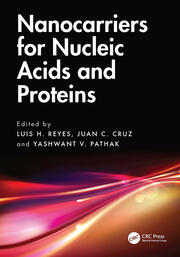
Nanocarriers for Nucleic Acids and Proteins
Edited by Luis H. Reyes, Juan C. Cruz and Yashwant V. Pathak
Lines of research: Smart Biomaterials & Nanobiotechnology · Molecular & Synthetic Biology
Publisher’s page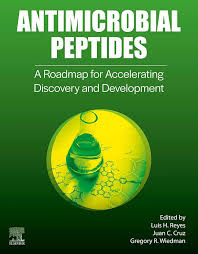
Antimicrobial Peptides: A Roadmap for Accelerating Discovery and Development
Edited by Luis H. Reyes, Juan C. Cruz and Gregory R. Wiedman
Lines of research: Molecular & Synthetic Biology · Computational Biology & AI-Driven Design · Bioprocess Engineering
Publisher’s page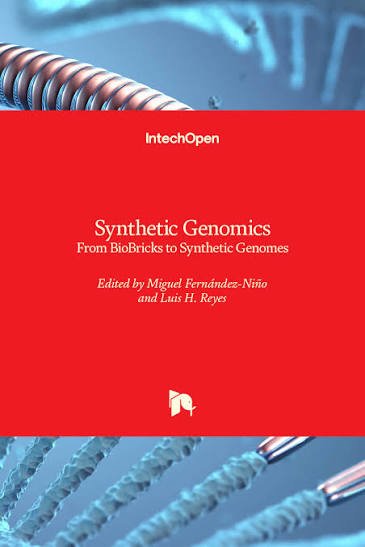
Synthetic Genomics: From BioBricks to Synthetic Genomes
Edited by Miguel Fernández-Niño and Luis H. Reyes
Lines of research: Molecular & Synthetic Biology · Computational Biology & AI-Driven Design
Publisher’s page