research.
Biological engineering for health, food and the environment, done with my students.
My research in figures.
Of my 80 journal articles, 56 are in Q1 journals and 21 in Q2, and none in Q3 or Q4. The other three appeared in two journals that are not indexed and in one too new to have a quartile.
Since 2017, when I joined Uniandes, I have published 71 articles: 12, 9, 12, 11, 12 and 8 a year since 2020, and 3 so far in 2026. Book chapters add to that, and they grew with the books I edited in 2022, 2024 and 2025.
On Web of Science my figures are more conservative, because that database only counts citations from the journals, books and conferences in its core collection; Google Scholar also adds those from preprints, theses and other documents outside it. There I have, as of 19 October 2026, 112 publications, 1,650 citations (1,534 without self-citations) and an h-index of 23. In addition, 13 patents cite my work.
Year by year.
In my group, the last place in the author list belongs to whoever had the idea, and the second to last to whoever built it with them on a topic that belongs more to the other. Since 2018 I have signed last on 18 articles and second to last on 22, out of 70. With Juan Carlos Cruz, my most frequent collaborator, the topic decides the order: I close the work on peptides, encapsulation and fermentation, and he closes the work on materials, devices and therapies.
Publications per year
Touch a year to read its figures.
By year of the volume and by kind. Articles include research and review articles; others are editorials, outreach articles and preprints. Without talks or patents. The years before I joined Uniandes, in 2017, are lighter.
Citations per year
Touch a year to read its figures.
Citations received each year, from the Google Scholar profile on 21 October 2026; 2026 runs to that date. They have quadrupled since 2020, when there were 146. The years before I joined Uniandes, in 2017, are lighter.
Five lines since 2020, and four more.
In 2020 I described a research program in biological engineering with five lines: bioprocess engineering, bioprospecting, molecular and synthetic biology, reverse engineering of microorganisms, and nanobiotechnology. All five are still open. Bioprospecting, for example, went through Colombian sourdoughs, native yeasts such as CW-12 and the Semilla Enel, the bacterial consortium we grew from samples of the El Paraíso Hydroelectric Power Plant for its ecofilter, and today it continues in the master’s project of Brayan Stick Chacón Fontecha, who studies extracts of native medicinal plants for topical formulations, and in the doctorate of Carlos Yesiel González Murcia, who looks for brewing yeasts in oil palm fruits. Four lines joined those five, out of the problems we kept running into: sustainability and the circular economy, multisensory experience design, computational biology and AI-driven design, and research on my teaching. Nanobiotechnology, in turn, grew into smart biomaterials.
Each line is held up by a group of people. What I bring is much the same from one line to the next: the biological engineering question, the students who work on it every day and, often, the funding. What the others bring changes with the line: the materials and devices of Juan Carlos Cruz, the clinical genetics of the Institute for the Study of Inborn Errors of Metabolism at Pontificia Universidad Javeriana, the consumer psychology of Felipe Reinoso-Carvalho, the food science of Óscar Álvarez, the modeling of Andrés Fernando González Barrios and Nicolás Ríos Ratkovich, and Enel’s plant and data.
The five lines of 2020, still open
- Bioprocess engineeringThe biofilter of the El Paraíso Hydroelectric Power Plant, its dynamic model and its control, with Enel.
- BioprospectingNative brewing yeasts from oil palm fruits and extracts of native medicinal plants for topical formulations; before that, Colombian sourdoughs, the CW-12 yeast and the Semilla Enel, the bacterial consortium for the El Paraíso ecofilter.
- Molecular and synthetic biologyCRISPR genome editing for lysosomal diseases, and outer membrane vesicles that carry proteins.
- Reverse engineering of microorganismsThe first reported strain of Clostridium thermocellum that assimilates hemicellulose while still degrading cellulose, with NREL.
- Nanobiotechnology, today smart biomaterials and nanobiotechnologyNanoparticles that carry drugs and genes into the cell, and hydrogels that encapsulate yeasts and probiotics.
The ones that came later
- Sustainability and circular economyGabriela Meléndez Plata’s life cycle assessment of the gas treatment at El Paraíso, with Enel; the sustainability index of 3,808 oil palm growers, in which Julián Fernando Becerra-Encinales found ten kinds of producer; and craft beer measured in environmental, economic and exergetic terms.
- Computational biology and AI-driven designAMPs-Net, the neural network that found antimicrobial peptides in the genome of Escherichia coli.
- Multisensory experience designSonic Seasoning, which builds music playlists to match a flavor, cheeses with less salt and a soy yogurt with yeast protein.
- Research on my teachingCASF 2.0 in the AIGEN network, and NOVUS Tríada with the Tecnológico de Monterrey and the Pontificia Universidad Católica de Chile.
Who I work with.
With Juan Carlos Cruz, of Biomedical Engineering, I have built a very important working partnership. Since 2020 we have signed together most of my publications, and we co-advise a good part of the group. When people ask, we say that he does the nano and I do the bio of nanobiotechnology. The relationship also rests on trust, and on covering for each other when one of us cannot.
Within the University I work above all with Biomedical Engineering and with my own department, where the steadiest ties are with Óscar Álvarez, Diego Pradilla and Andrés Fernando González Barrios. Outside it, the network began in my years of training, with the National Renewable Energy Laboratory (NREL), and today includes the Institute for the Study of Inborn Errors of Metabolism at Pontificia Universidad Javeriana, Universidad de Cartagena, Universidad Antonio Nariño, the Tecnológico de Monterrey and the Colombian Oil Palm Research Center (Cenipalma), among others.
Universidad de los Andes
Chemical and Food Engineering
- constant: Óscar Álvarez
- constant: Diego Pradilla
- constant: Andrés Fernando González Barrios
- frequent: Nicolás Ríos Ratkovich
- frequent: Jorge Mario Gómez
- frequent: María Hernández Carrión
- occasional: Andrea Sánchez-Camargo
Biomedical Engineering
- constant: Juan Carlos Cruz
- constant: Carolina Muñoz-Camargo
- frequent: Natasha Bloch
- frequent: Pablo Arbeláez
Electrical and Electronic Engineering
- frequent: Johann F. Osma (also Biomedical Engineering)
School of Management
- frequent: Felipe Reinoso-Carvalho
Biological Sciences
- occasional: María Francisca Villegas-Torres
- occasional: Josman Velasco
Civil and Environmental Engineering
- occasional: Johana Husserl
Microscopy Center (MicroCore)
- occasional: Juan Camilo Orozco
Teaching and learning
- occasional: Alison Reedy and María Lucía Guerrero
- occasional: Carola Hernández
Colombia
Universities
- constant: Pontificia Universidad Javeriana
- frequent: Universidad de Cartagena
- frequent: Universidad Antonio Nariño
- frequent: Universidad de Antioquia
- occasional: Universidad Nacional de Colombia
- occasional: Universidad de Ciencias Aplicadas y Ambientales (U.D.C.A)
- occasional: Corporación Universitaria Minuto de Dios
- occasional: Universidad del Rosario
- occasional: Universidad de Pamplona
Research centers, health and companies
- constant: Enel Colombia
- frequent: Corporación Centro de Investigación en Palma de Aceite (Cenipalma)
- occasional: Fundación Santa Fe de Bogotá
- occasional: Technifarm
- occasional: BIO D
Other countries
United States
- frequent: National Renewable Energy Laboratory
- frequent: Seton Hall University
- frequent: University of South Florida
- occasional: Cornell University
- occasional: Purdue University
- occasional: Nemours Children's Health
- occasional: Texas A&M University
Mexico and Chile
- frequent: Tecnológico de Monterrey
- frequent: Pontificia Universidad Católica de Chile
Brazil
- occasional: Grupo Boticário
Europe
- occasional: Iscte, Instituto Universitário de Lisboa
- occasional: Wageningen University & Research
- occasional: University of Groningen
- occasional: Universidad de Málaga
- frequent: Leibniz Institute of Plant Biochemistry
Asia
- occasional: Xinyang Normal University
Networks
- frequent: AIGEN network
Talks.
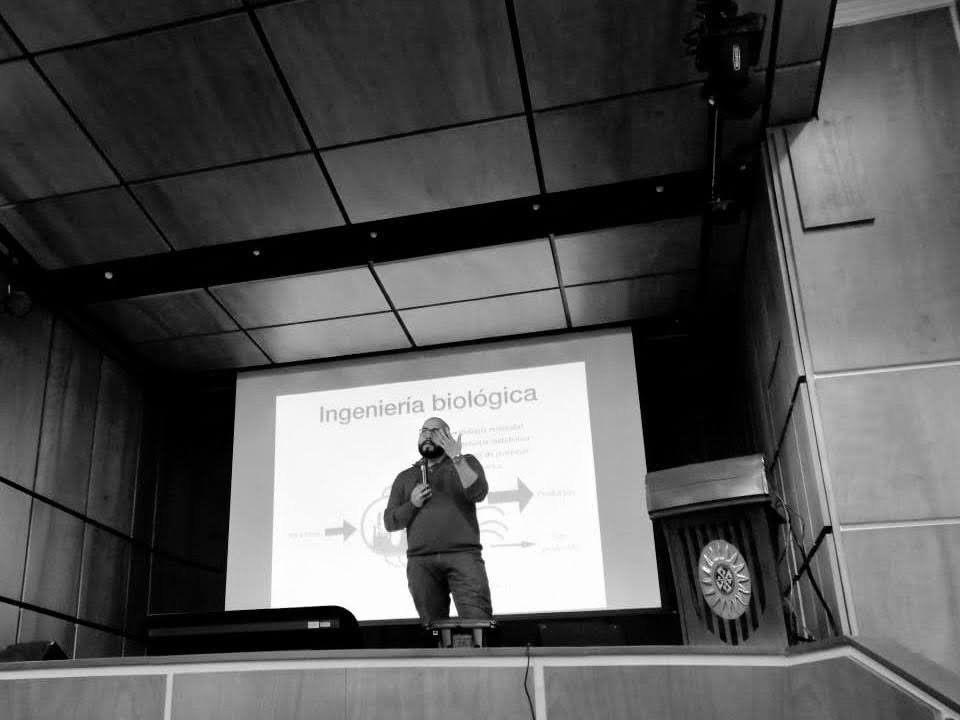
Conference talks are counted apart from publications. Since 2017 there have been 42, 10 of them at the AIChE Annual Meeting, the yearly meeting of the American Institute of Chemical Engineers (AIChE).
Doctors of the group.
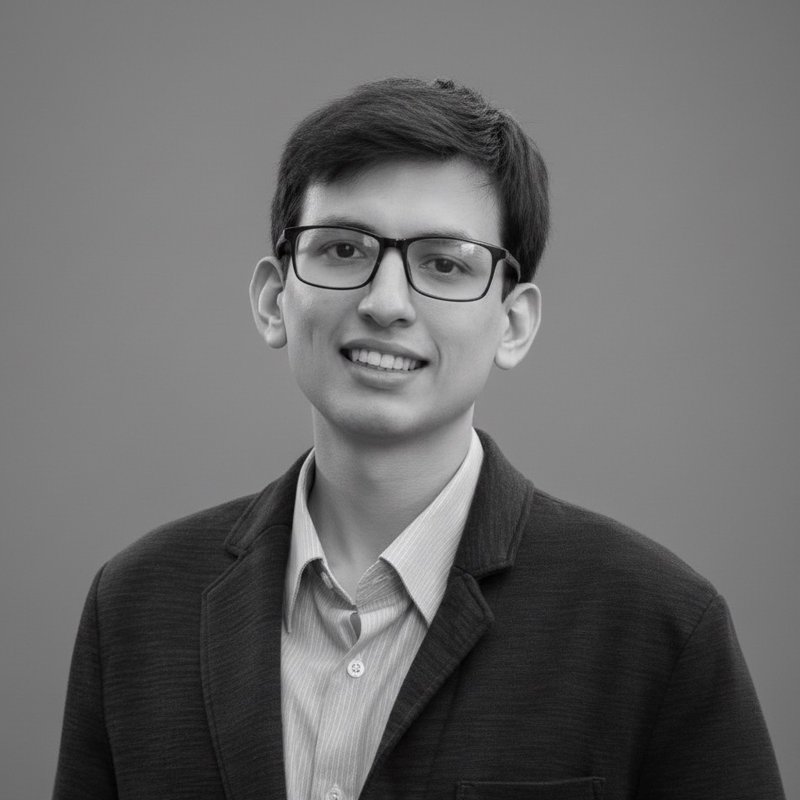
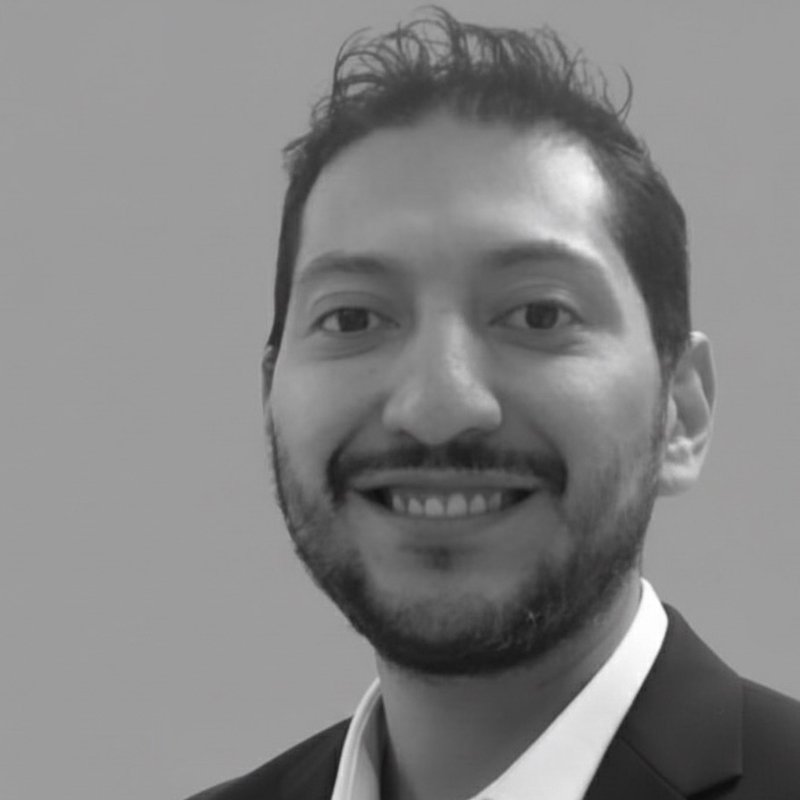
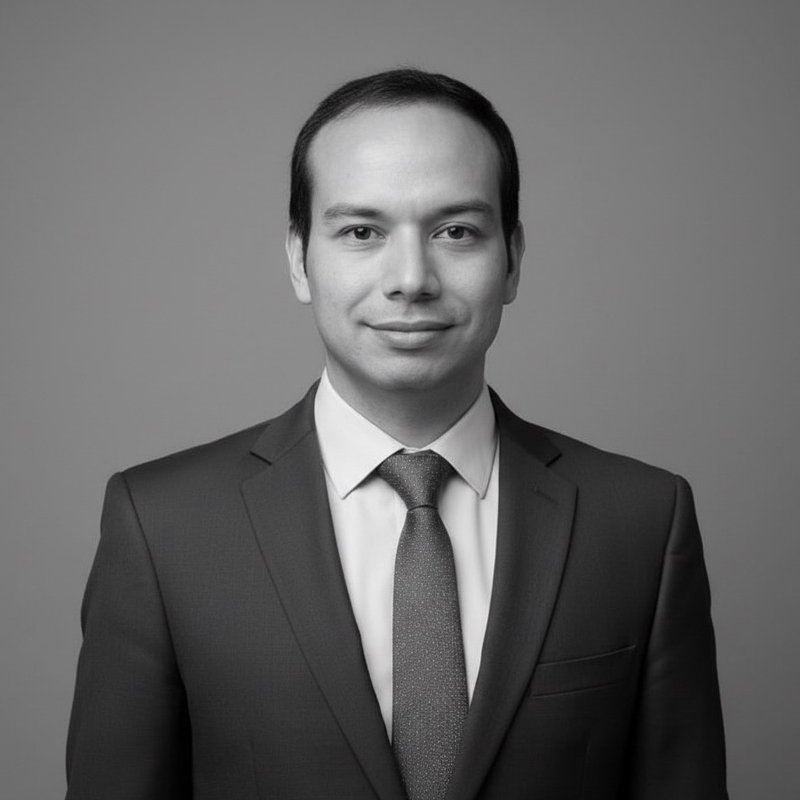
The group has graduated 4 doctors and 37 masters. These are the doctors, and where they work today.
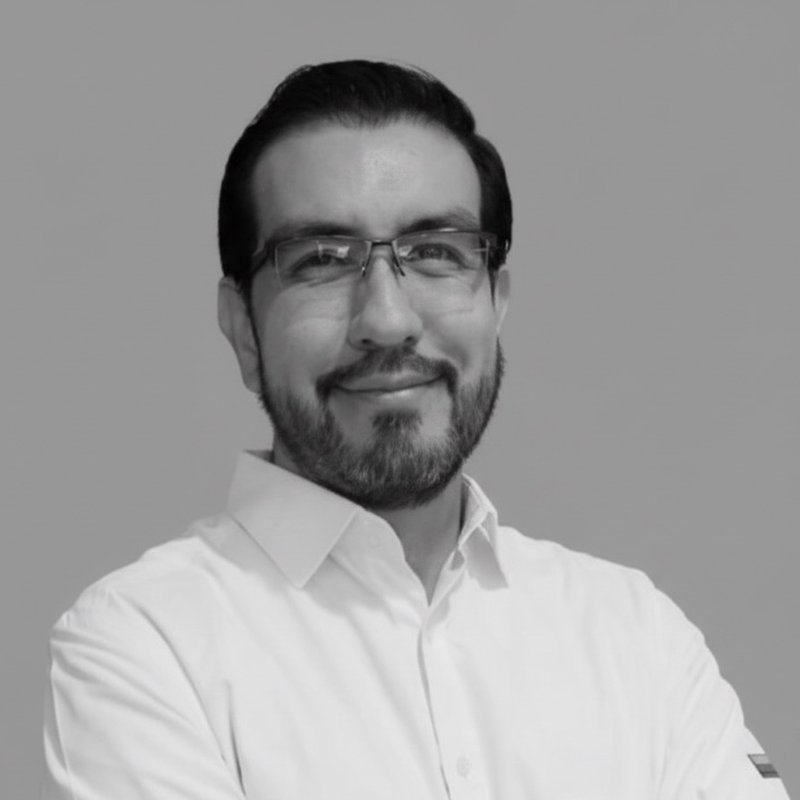
Julián Fernando Becerra-Encinales
Director of Technological Extension at Cenipalma
Brayan Rodríguez
Assistant Professor at Pontificia Universidad Javeriana
Andrés Felipe Leal
Co-founder and Chief Scientific Officer (CSO) at Genine Therapeutics, Bogotá, Colombia
Julian Daniel Torres Vanegas
Assistant Professor at Universidad EAN