Fundamentals held with rigor.
I teach the fundamentals deeply enough for students to build their own solutions, and I change the way I teach with each generation without lowering the bar.
Why I teach
Memorizing is enough for the problems already seen in class; for the rest, you have to have understood.
I teach because a student who understands a principle can solve problems nobody taught them to solve.
The wish to teach appeared at school, in eleventh grade, when my chemistry teacher, Martha Rondón, trusted me to explain the subject to my classmates. How to teach I learned later, at Universidad Industrial de Santander (UIS).
Álvaro Ramírez García, who years later became rector of the university and died in 2023, taught me the introduction to chemical engineering around my third or fourth semester. He was the first to show me that way of teaching, and the one who marked me most. Aristóbulo Centeno Hurtado, who has also died, did the same in transport phenomena. Both spent weeks on the concepts while other courses raced from exercise to exercise. Several of my classmates liked those other courses better. I preferred theirs, with Centeno’s stories, and in the end I understood transport phenomena very well.
My own path confirmed it later: the fundamentals are what let me leave biofuels and work on human health without starting from scratch. The trajectory
Orthogonal insistence, the most common failure mode, pulls students sideways without advancing them at all.
An image of vectors
I think of the classroom as an image of vectors. Each student arrives with a magnitude, which is their energy and potential; a direction, which is their interests and goals; and a sense, which is their willingness to learn. All three change with each generation, because the tools and experiences students arrive with change.
The professor is a vector too, and what is learned in the classroom is the sum. If the senses coincide, the sum grows; if they oppose each other, it cancels out. The most common case is another one: the professor who insists from the side, at a right angle to the student, drags the student along without moving them forward.

Juanita Sierra
Consultant in sustainable finance at Ambire Global

Carlos Manuel Ramírez Acosta
Regional Qualification Expert at Sanofi
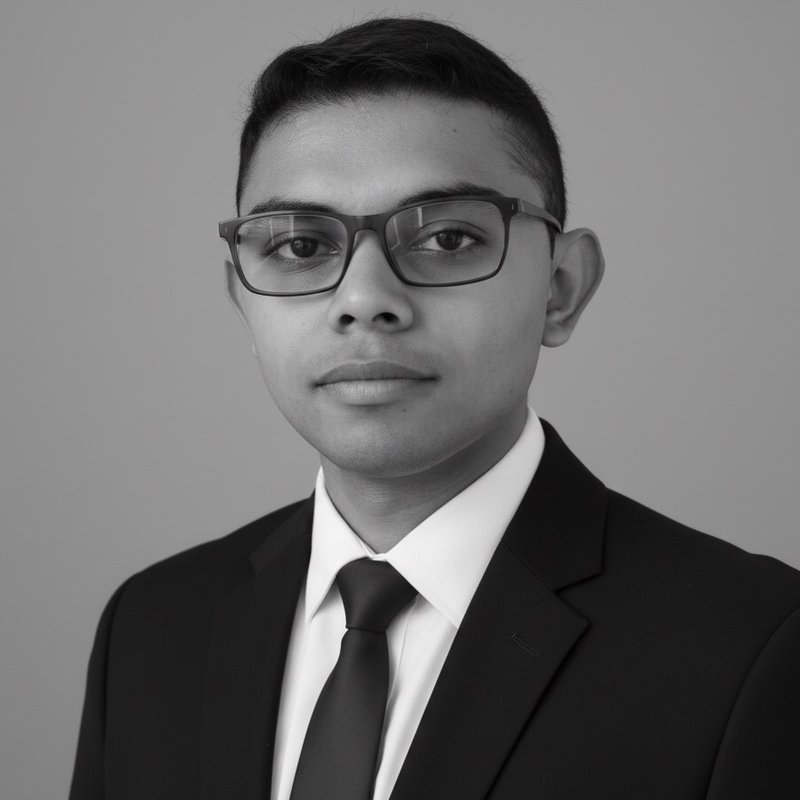
Fabio Esteban Herrera
Postdoctoral Researcher in Molecular Machine Learning, Leibniz Institute of Plant Biochemistry

Camila Ocasión
Consultant at Excelsa
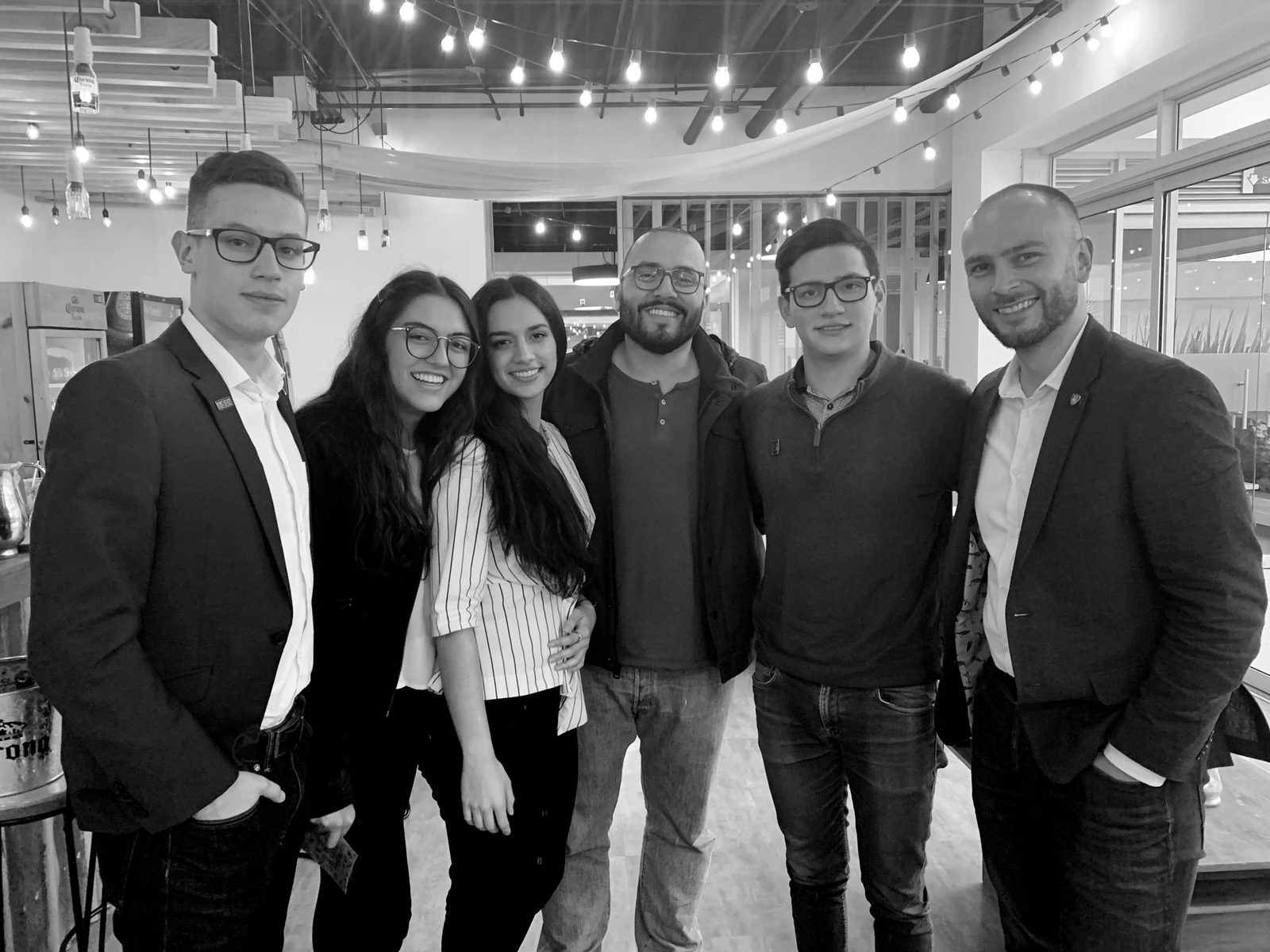
Four former students who wrote about my courses.
Read the testimonials