Co-adaptive constructivism.
The same bar for everyone, with different paths to reach it.
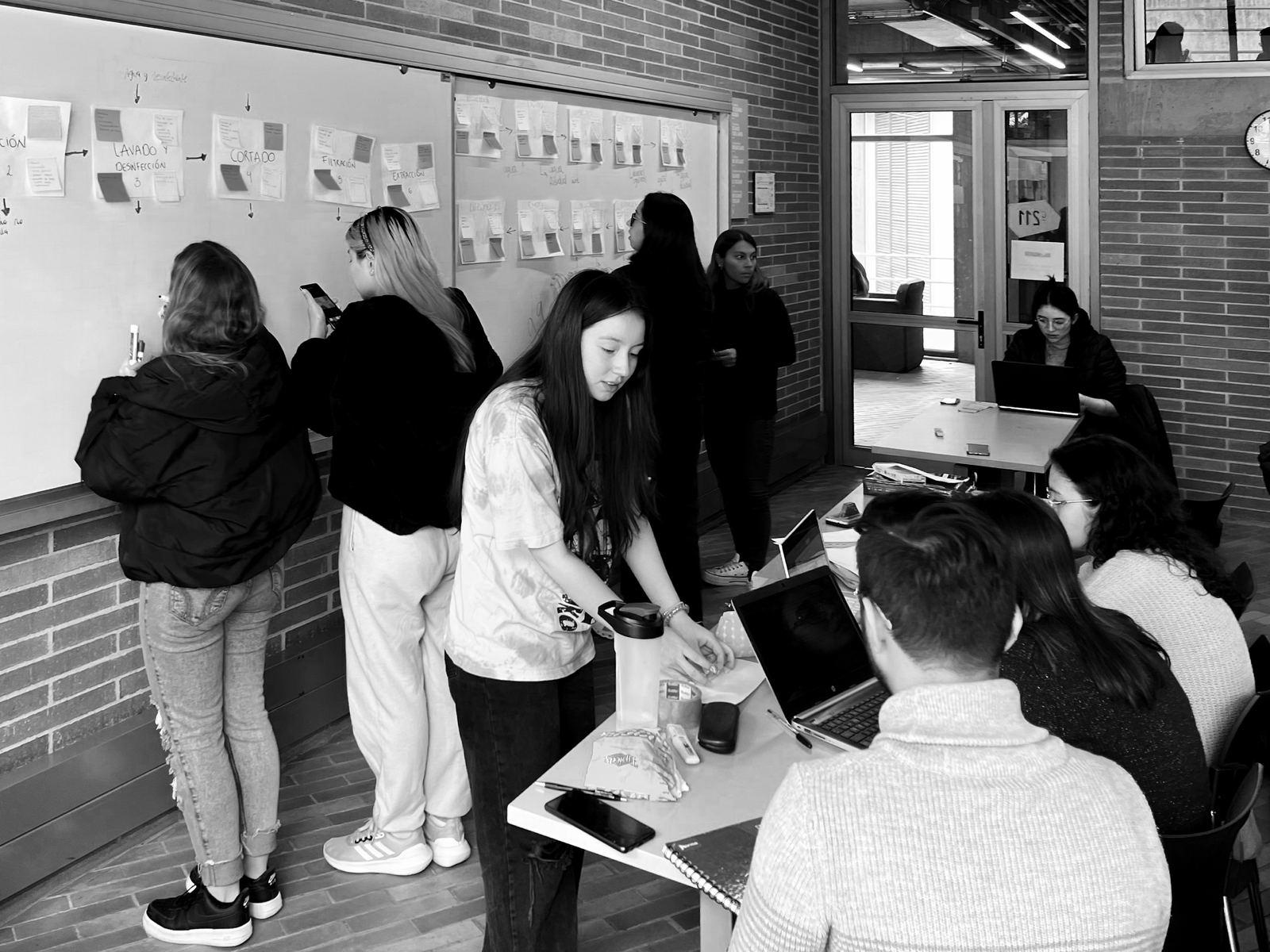
Students today
Aligning with them means taking them seriously, and that includes asking them for rigor.
That is why the complaint that students today are not what they used to be does not convince me. They never have been, because each generation changes with its time. The problem appears when we professors do not change and go on teaching as if our students arrived with a slide rule in their pocket; then the misalignment is ours.
I try to understand how students arrive, what moves them and what tools they work with, and with that I redesign the class without lowering the bar. That does not turn it into a place where everyone does as they please, or where phones and laptops are used however each person likes.
The approach
I call this approach co-adaptive constructivism. It starts from an idea nobody disputes any more, that students build knowledge instead of receiving it, and adds a demand on professors: that we learn and adapt too.
In my courses
- I spend weeks on the fundamentals.
- I say out loud what I learn from my students.
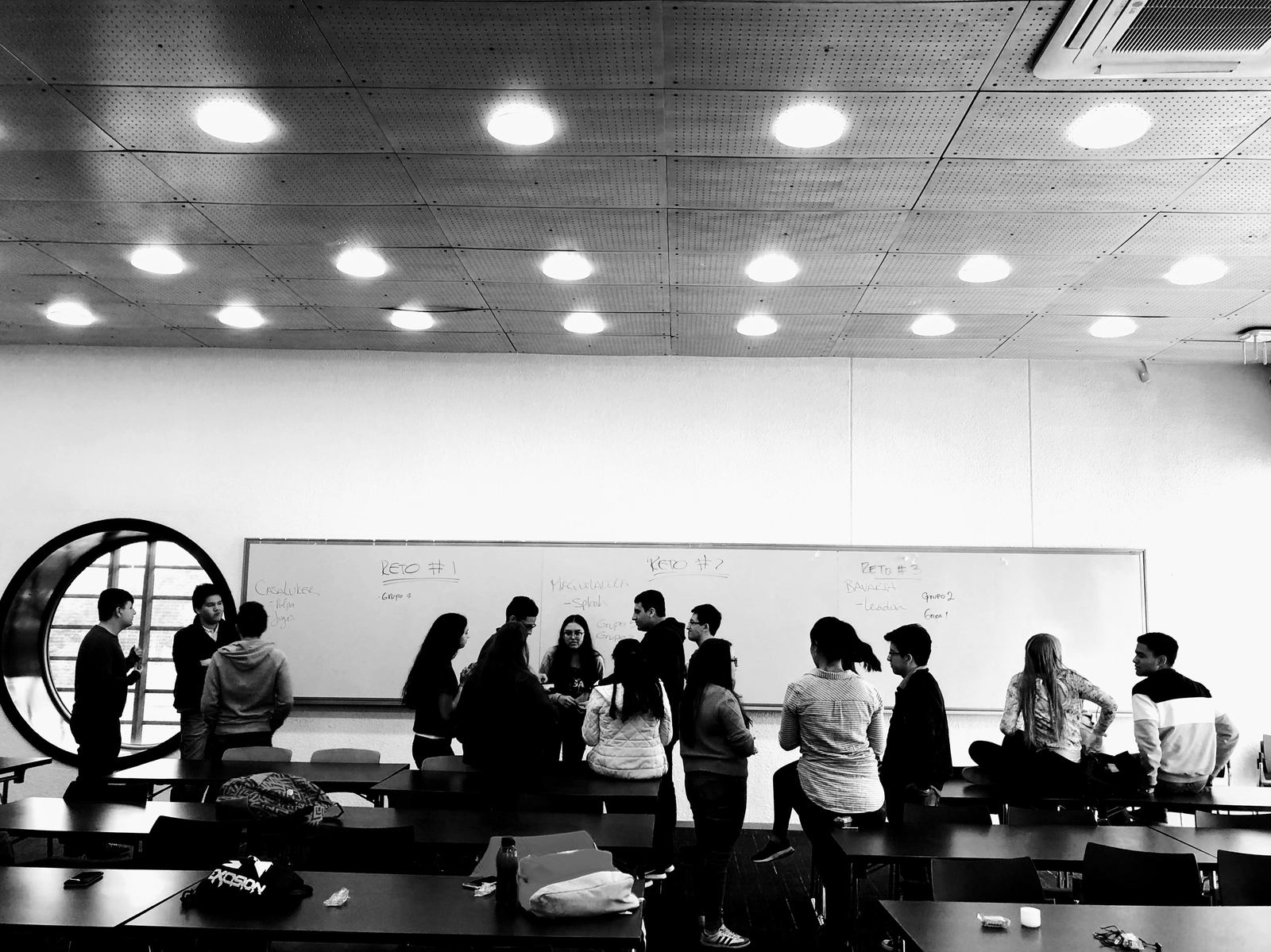
- I rotate the teams, so students learn to work with people they did not choose.
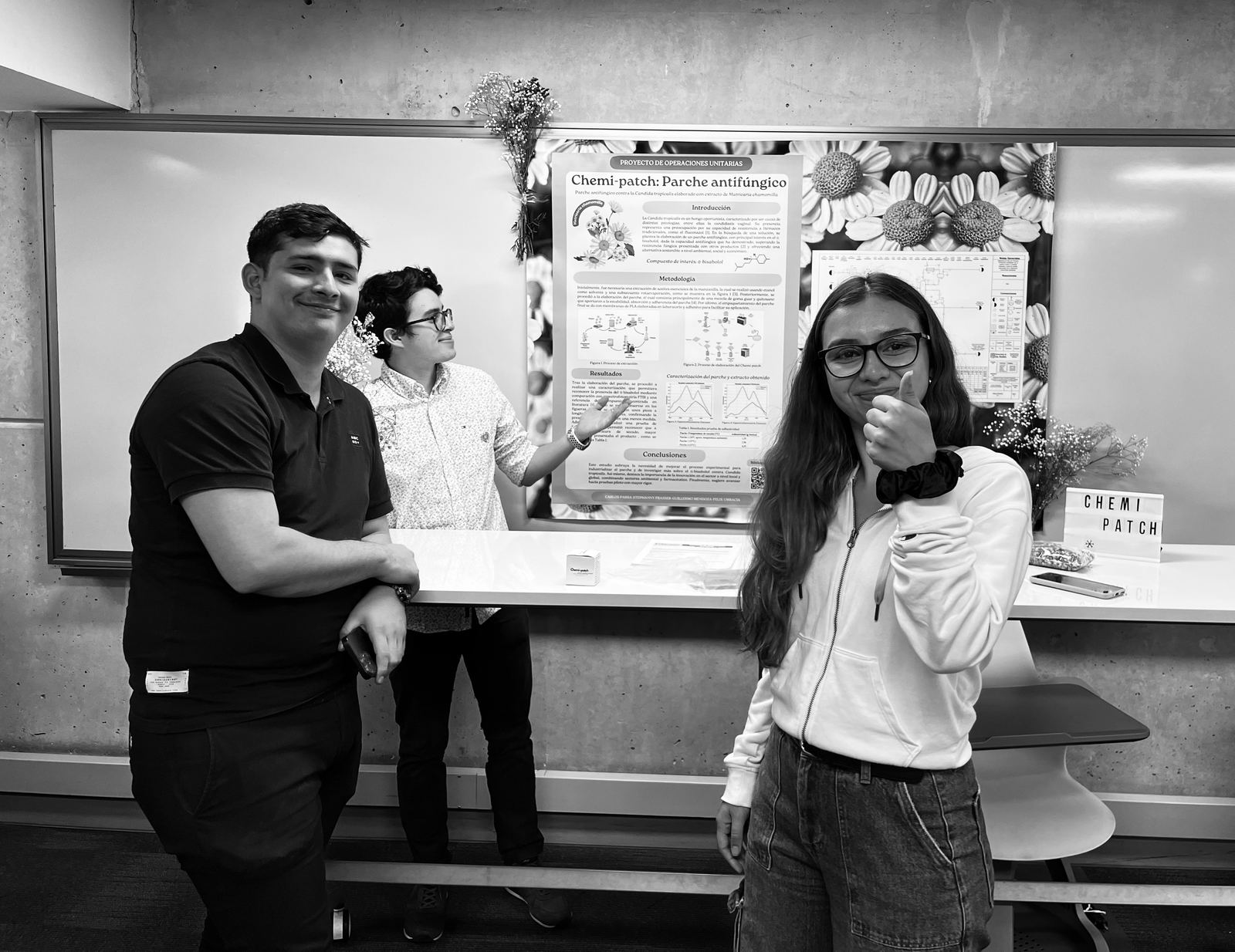
- I put students to work with alumni, companies and researchers.
- Whoever arrives with less gets more support, and whoever learns differently gets another path; the bar is the same for everyone.
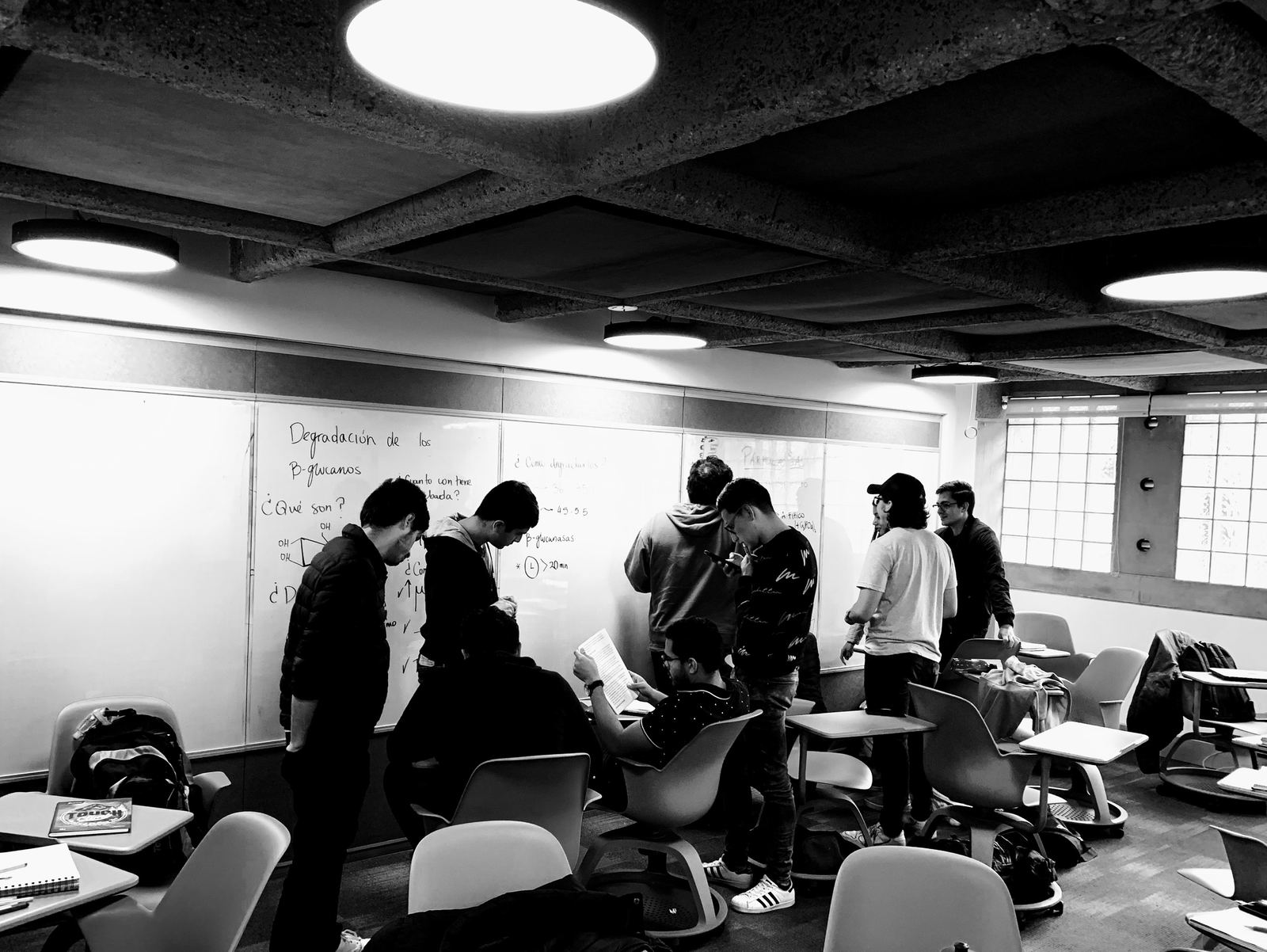
My students see me admit when one of their solutions is better than mine, and see me change a method when one of their questions shows a better one. The student who once memorized Q = UAΔT ends up reasoning about heat transfer well enough to solve problems I never set, and some come back years later to tell me.
What I write down
Since 2019 I have documented and published what works and what fails in my courses, so that what one semester teaches is not lost in the next.

Daniela Aristizabal
Talent Development Specialist at Fortra

David Santamaría
Cheese Expert at Novonesis

Jason Bernal Sánchez
Integration Lead Engineer at Kanadevia Inova

Camilo Zarate
Senior Associate at PwC
Former students of Industrial Biotechnology and From yeast to beer.
Read the testimonials